
Applications
Mining, ports and ferries, rail depots.
Applications
If a buyer can run a cable, they should. This technology is for cases where a cable is impractical.
Why these sites
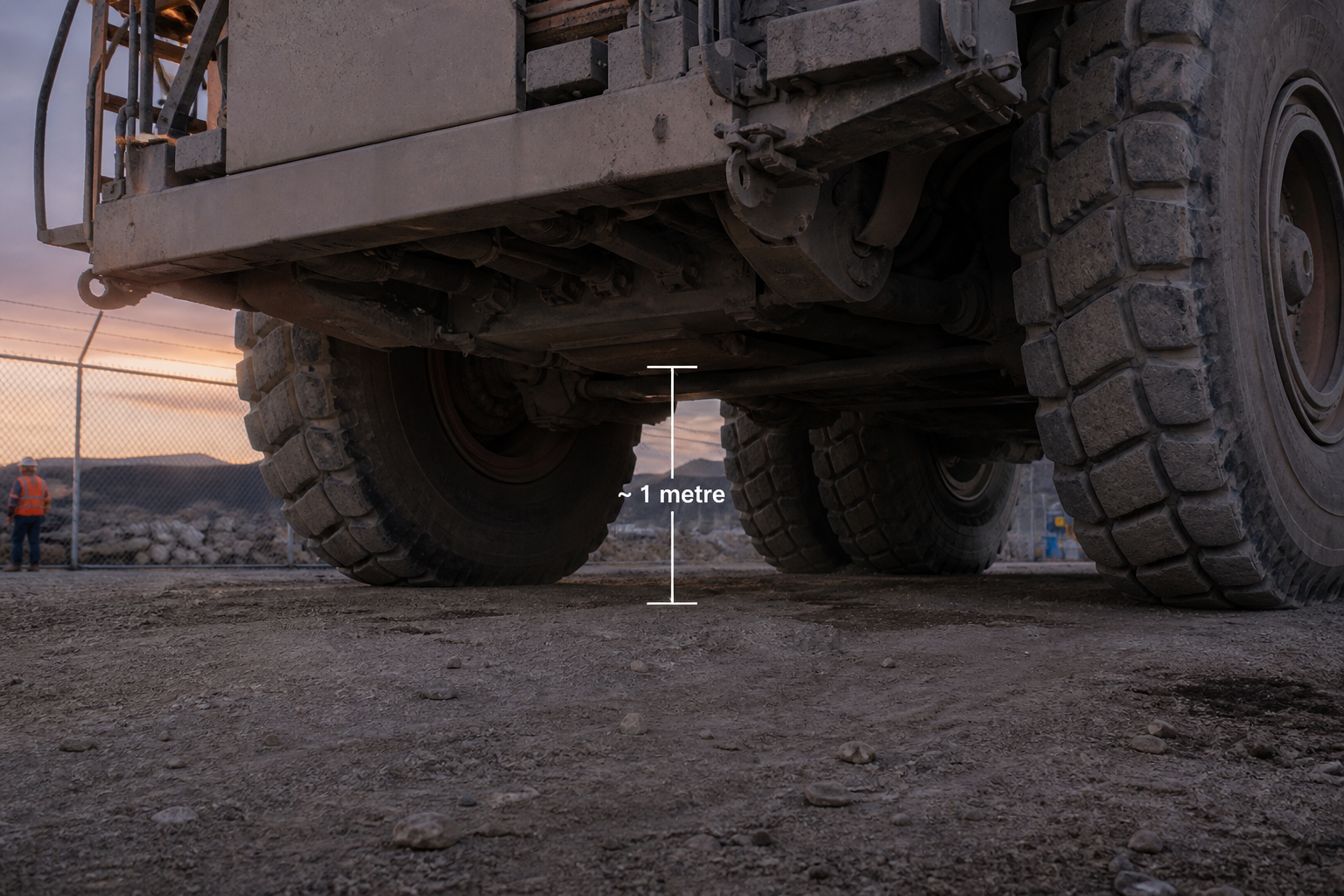
Mining: ~1 m ground clearance, fenced sites that accept an ICNIRP zone, shift-time cost of a manual plug.
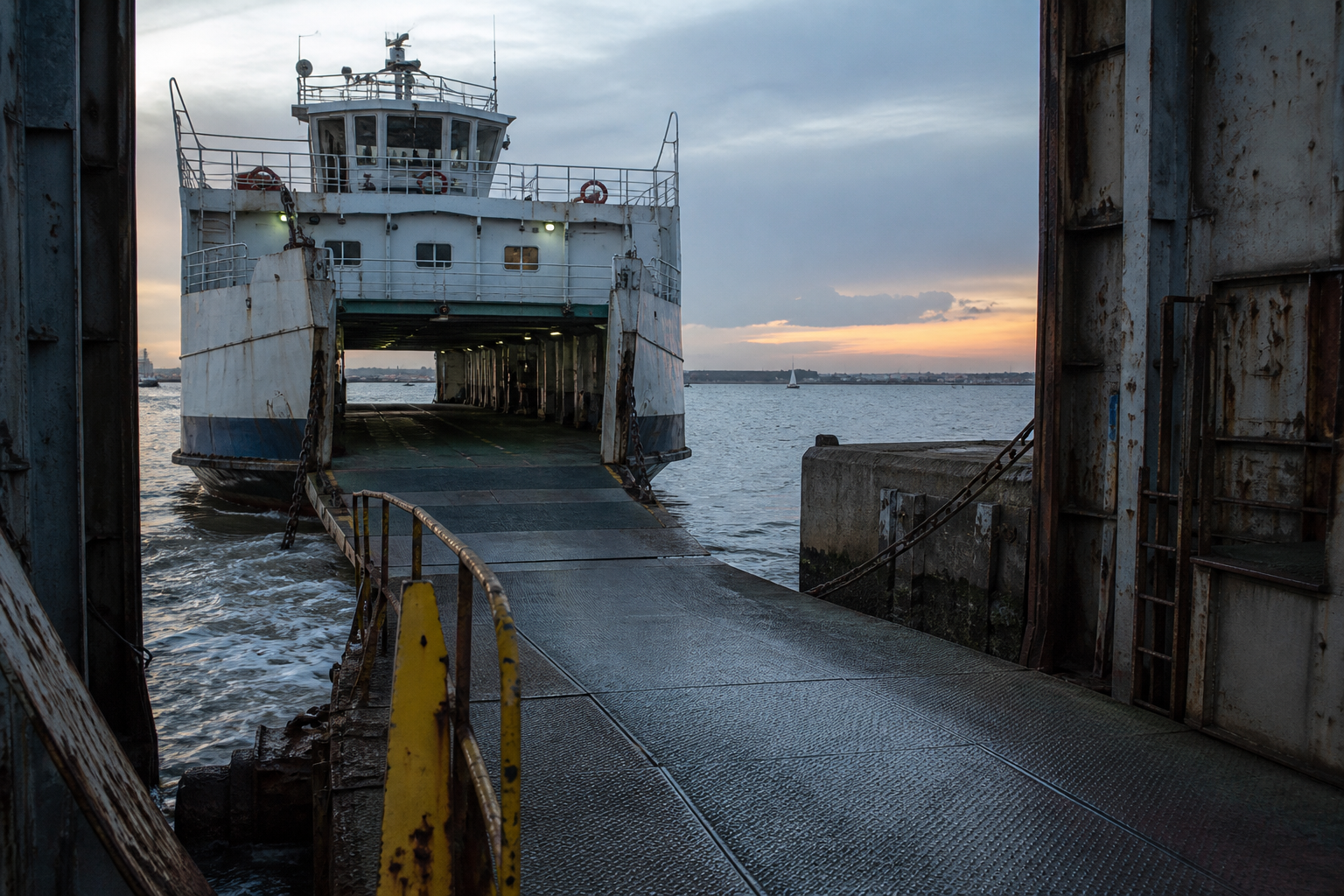
Ports and ferries: tide makes a large gap variable; corrosion kills connectors.
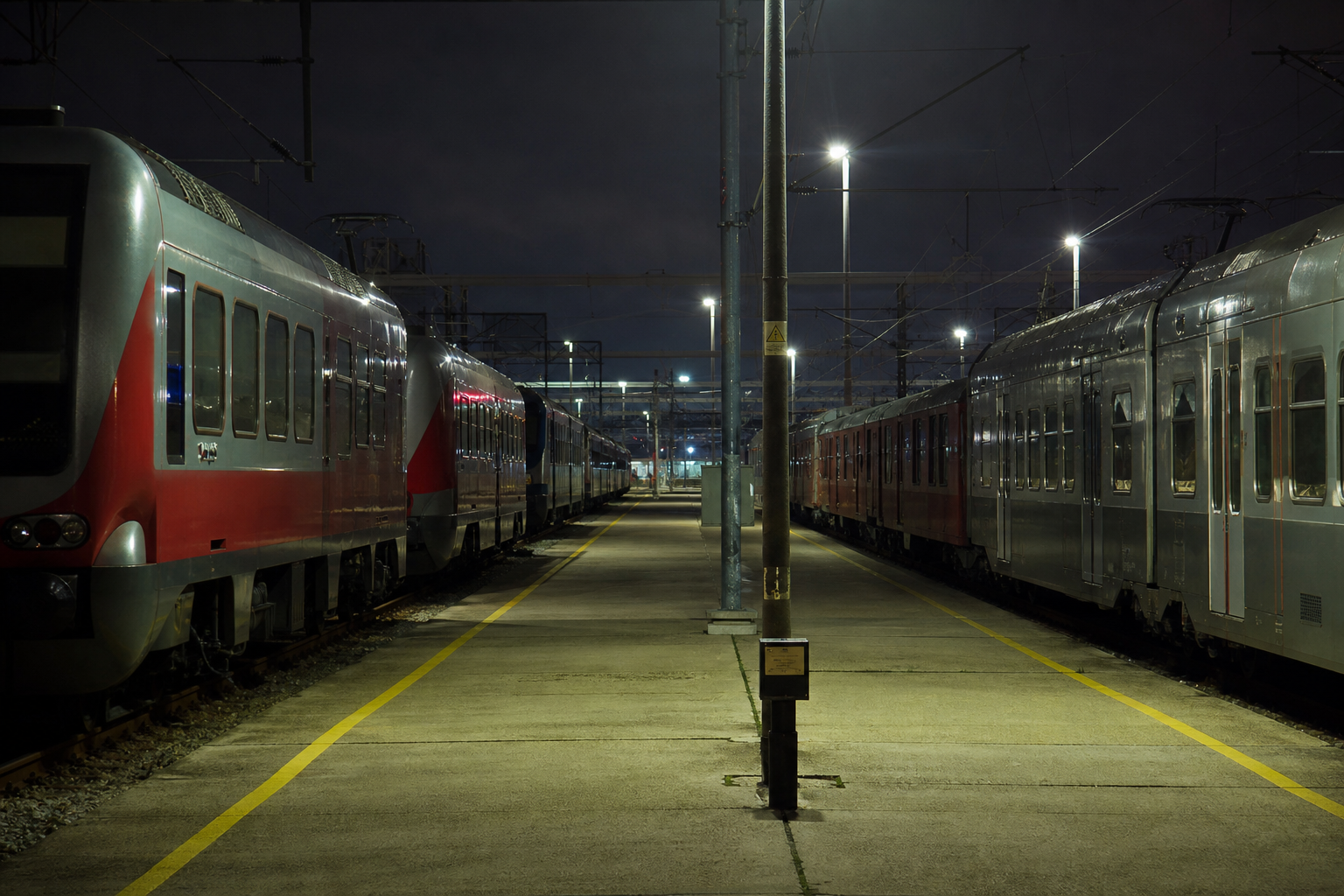
Rail depots: dwell charging without extra catenary. If a cable is practical, use a cable.
Mining vehicles
Ground clearance is near a metre. Sites are fenced, which accommodates the controlled zone. Manual connection is a shift-time cost, not a comfort detail.
Ports and ferries
Tidal variation produces a genuinely variable large gap. Corrosion punishes exposed connectors. A retracting head or a flush pit avoids both.
Rail depots
Dwell charging without adding catenary or arms over the platform. The underground variant leaves the floor clear when retracted.
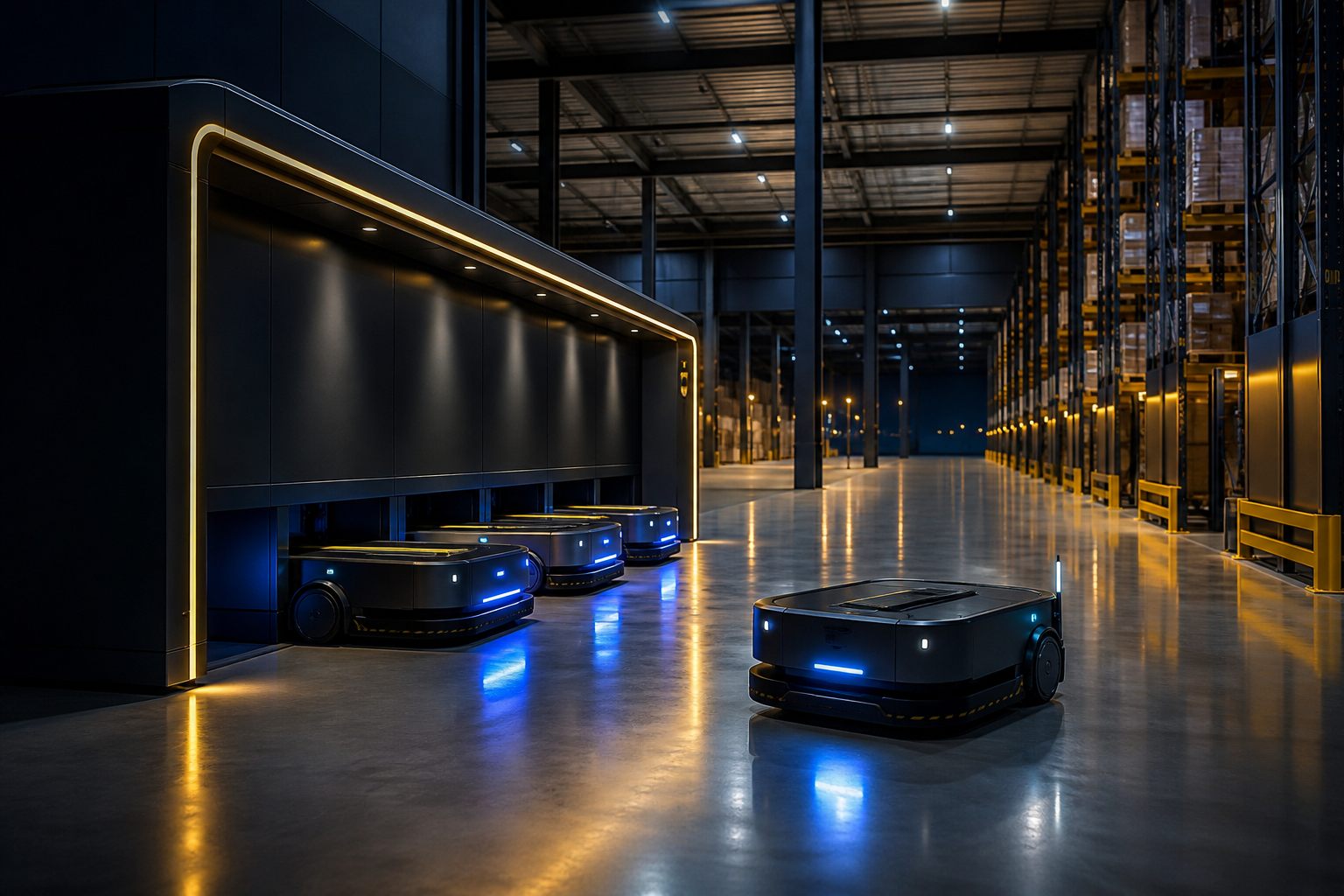
Industrial robots
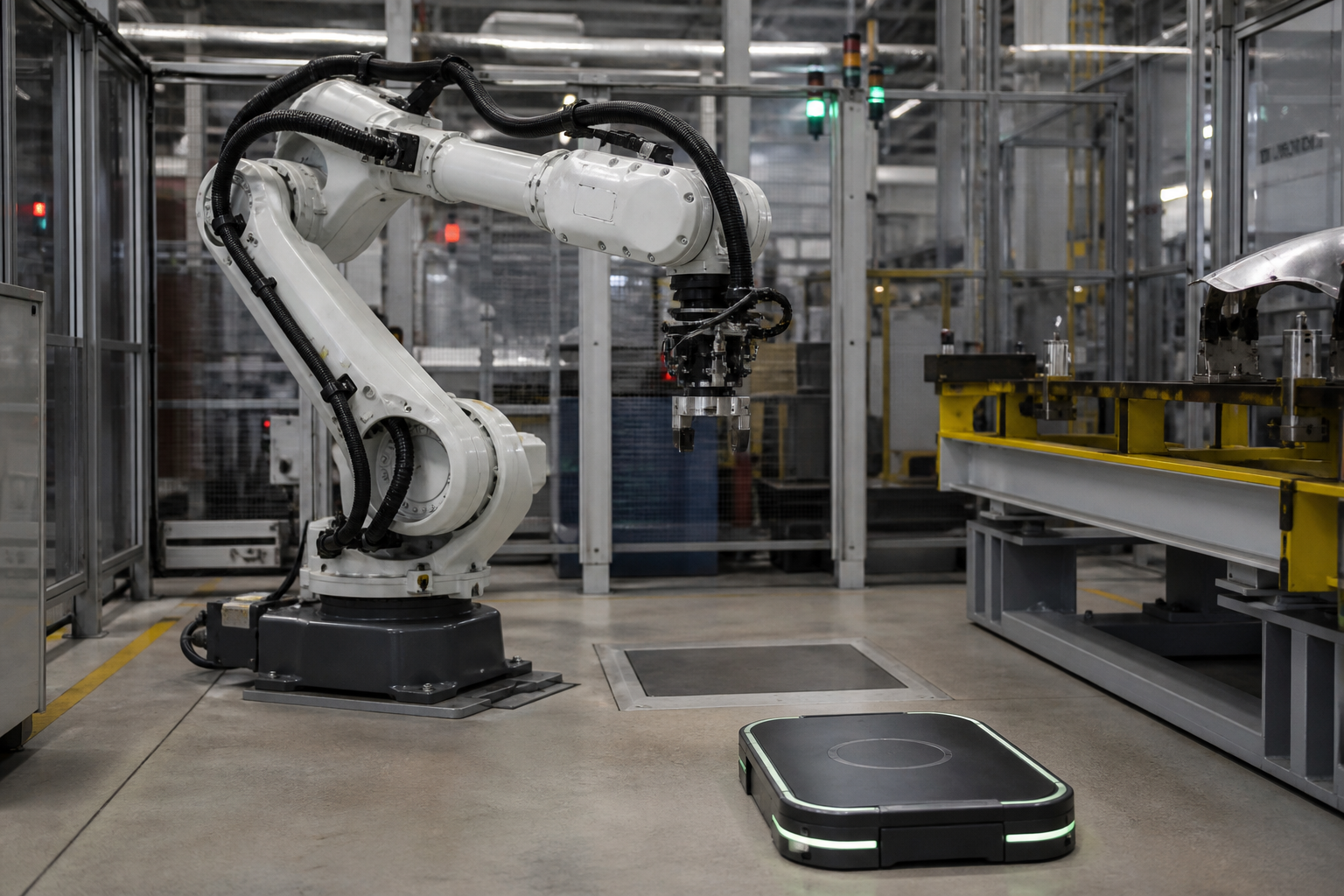
Cells and AMRs without a power cable on the floor. The Tx goes to the Rx; the arm or the pit aligns itself.
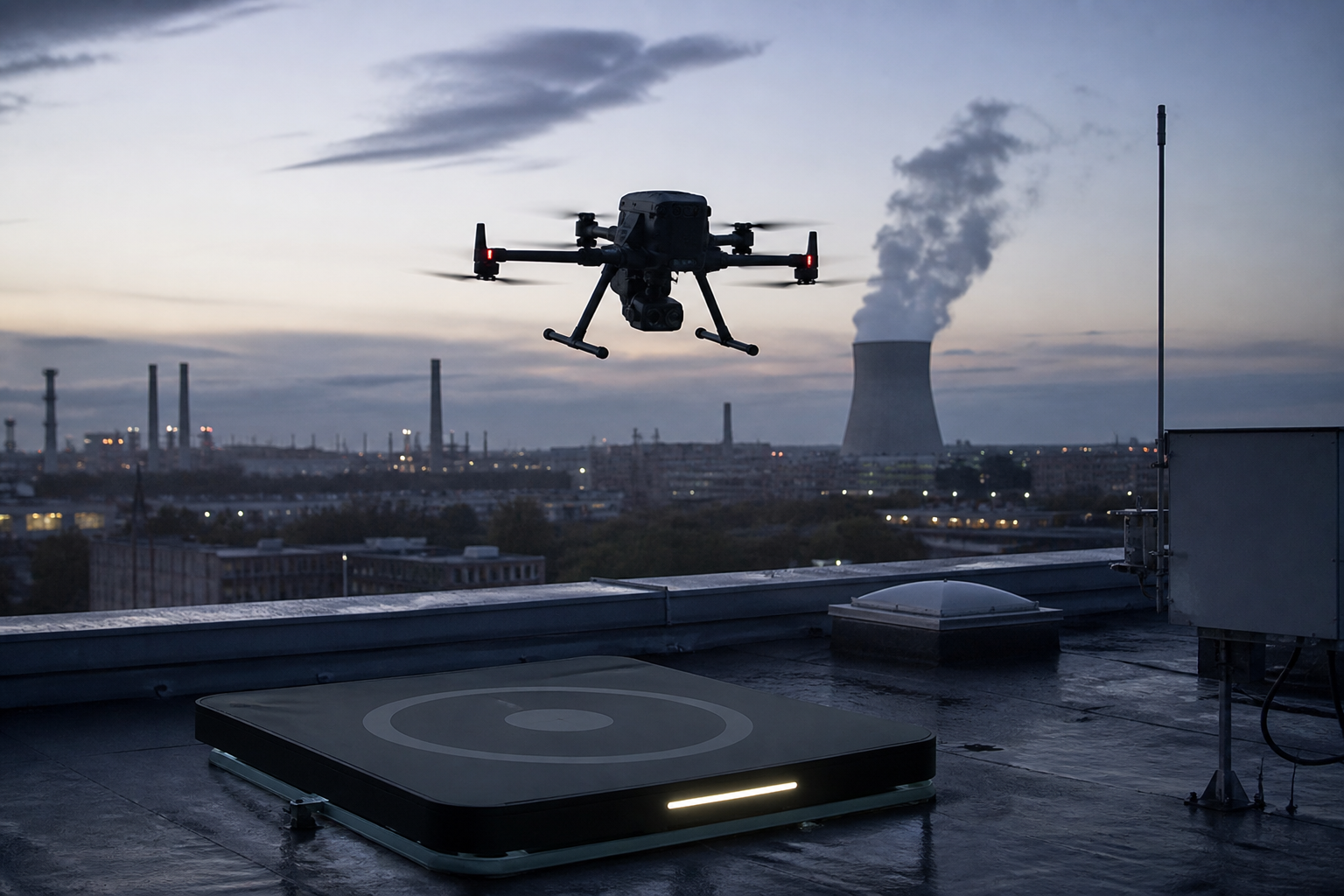
Unmanned aircraft
A landing pad without a plug: the UAV lands, the AI finds the invisible Rx and charges. No cable on the deck.
Kilometre-class
Research horizon: chained or beamed architectures for km-scale spans. Not the same hardware as the 1 m link.
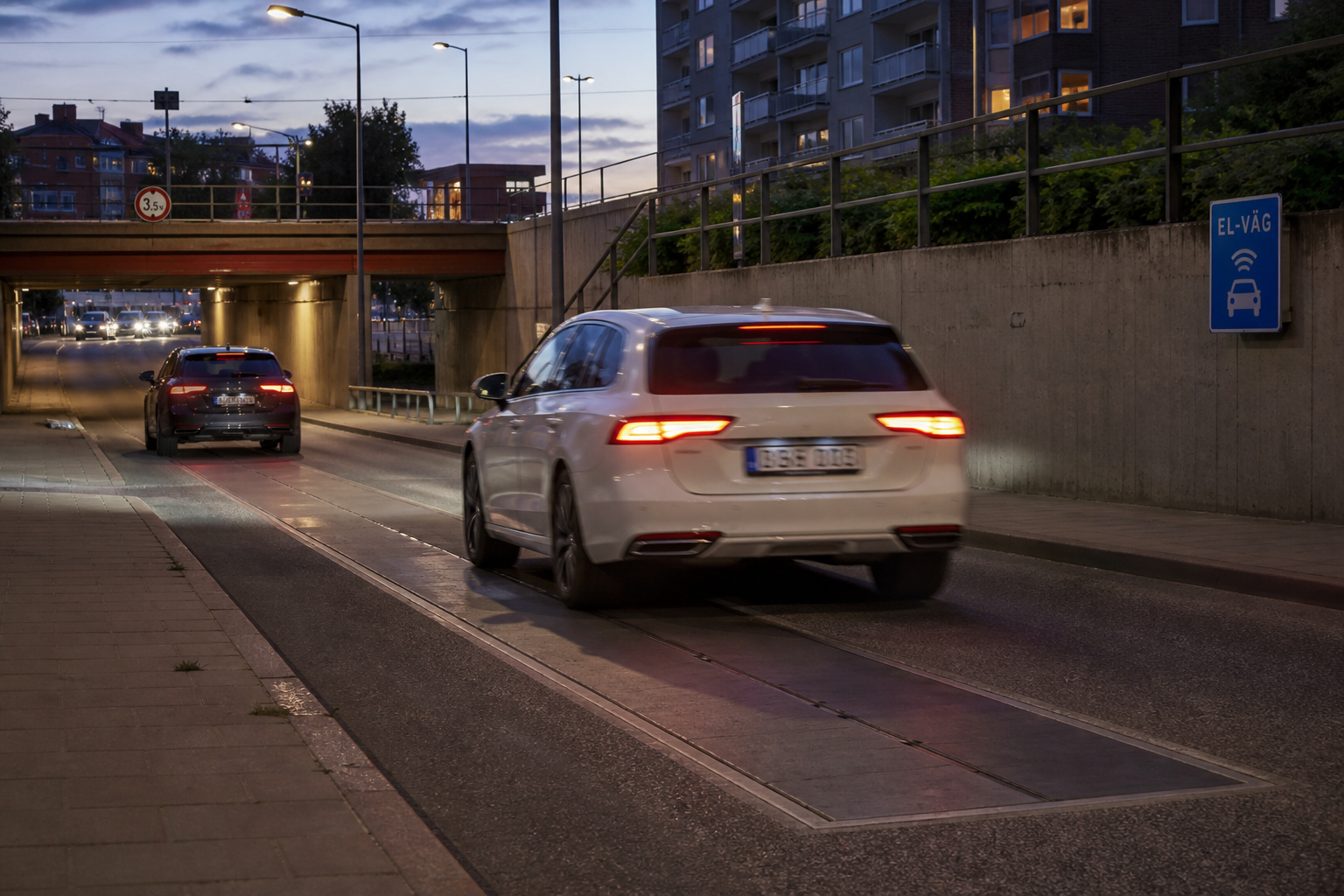
Crossing points
Junctions, gantries and slow lanes: a wireless energy pulse at the moment of passage, without stopping for a cable.
Warehouses and yards
Logistics aisles and docks: charge in motion or at rest, without cable mats on the floor.